


Japan – Culinary Traditions (Set of 20)
₹1,090
Price is inclusive of all taxes
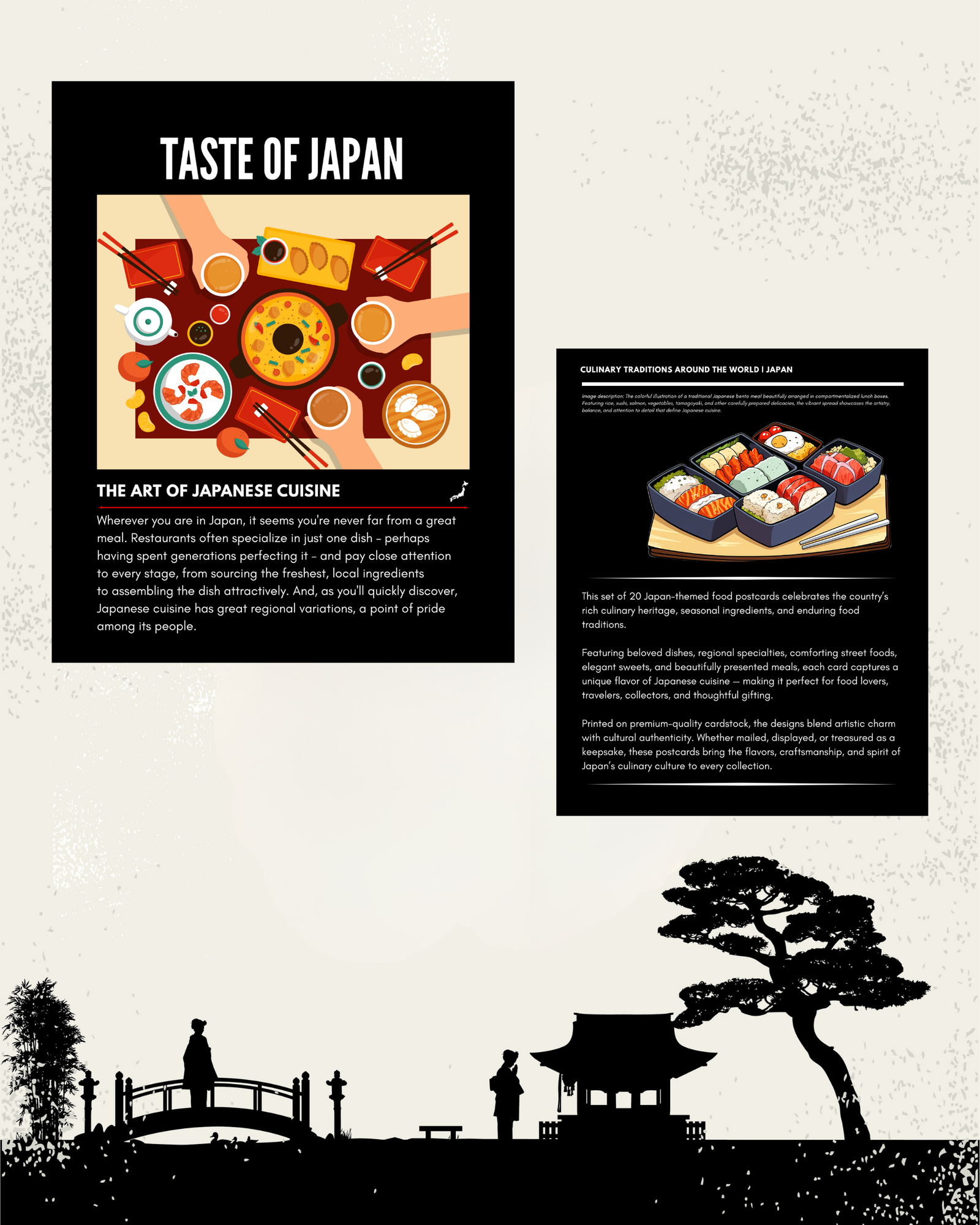
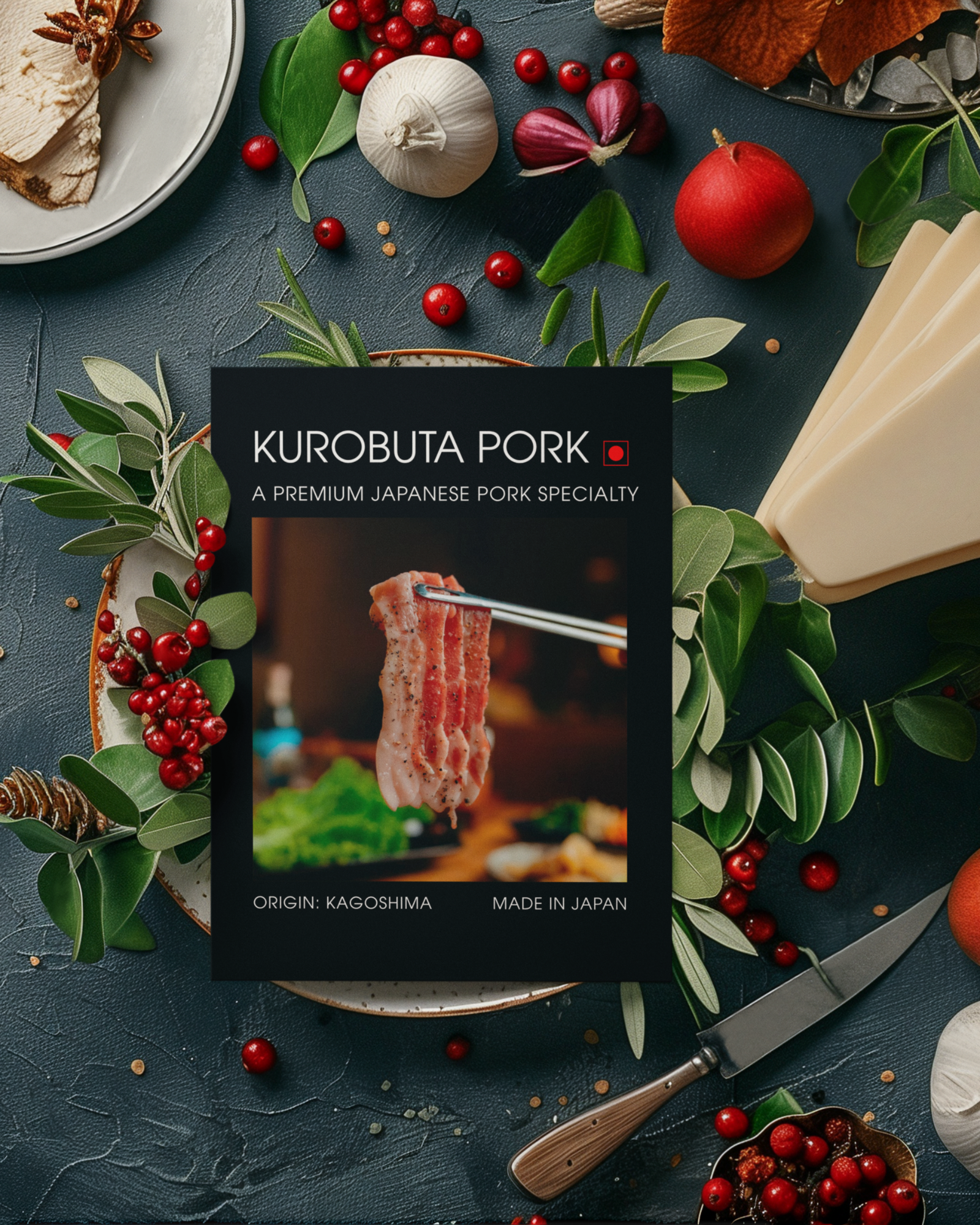
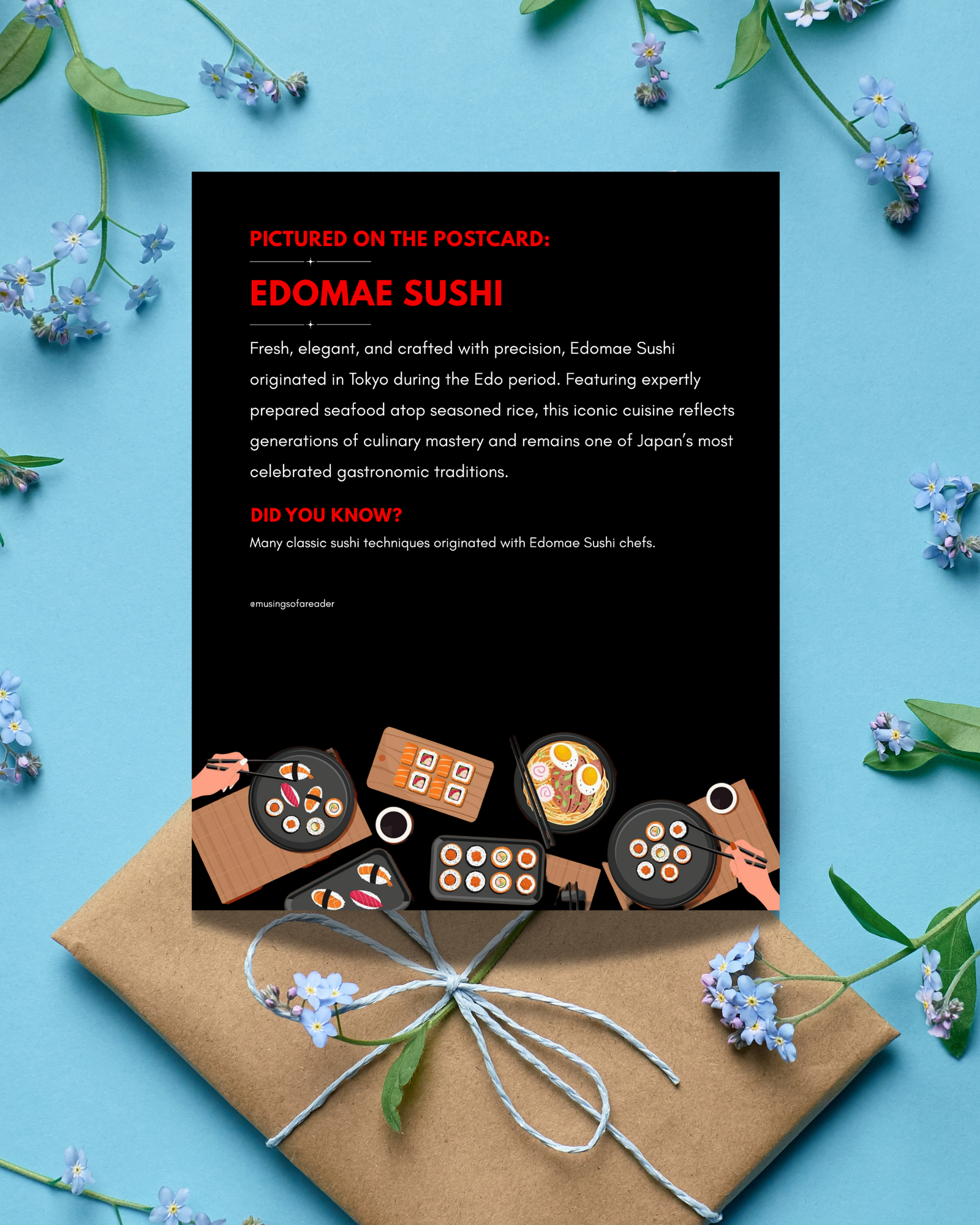
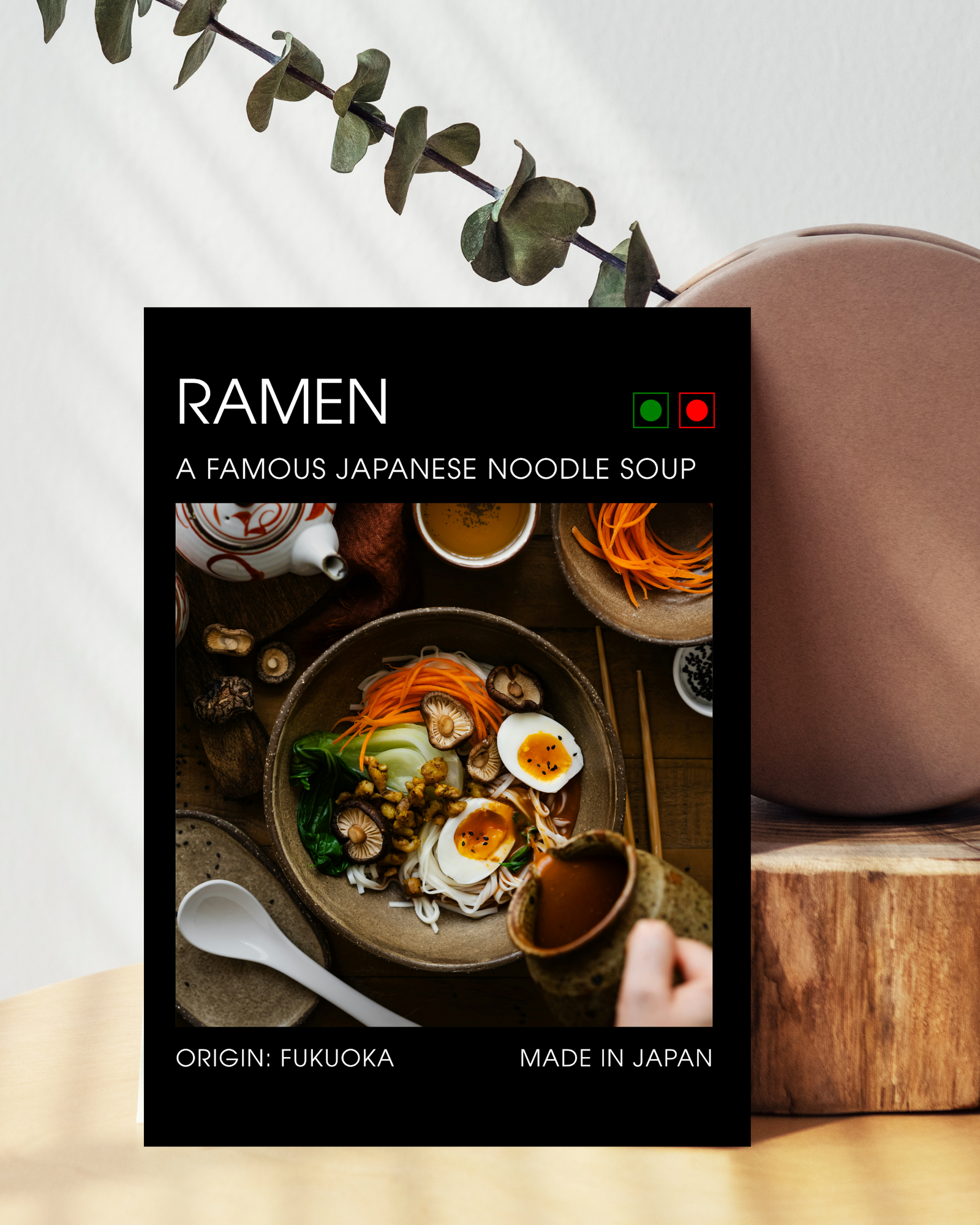
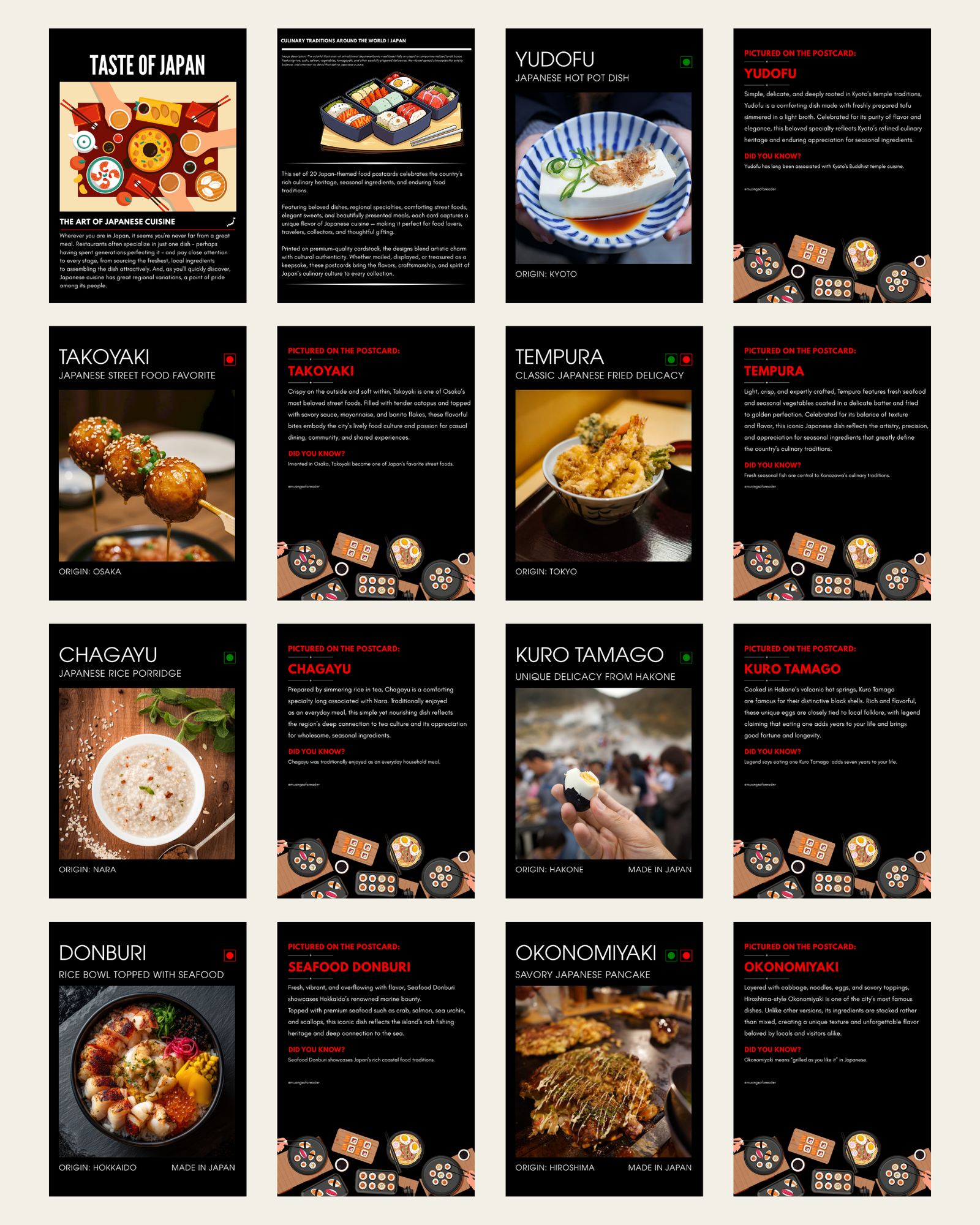
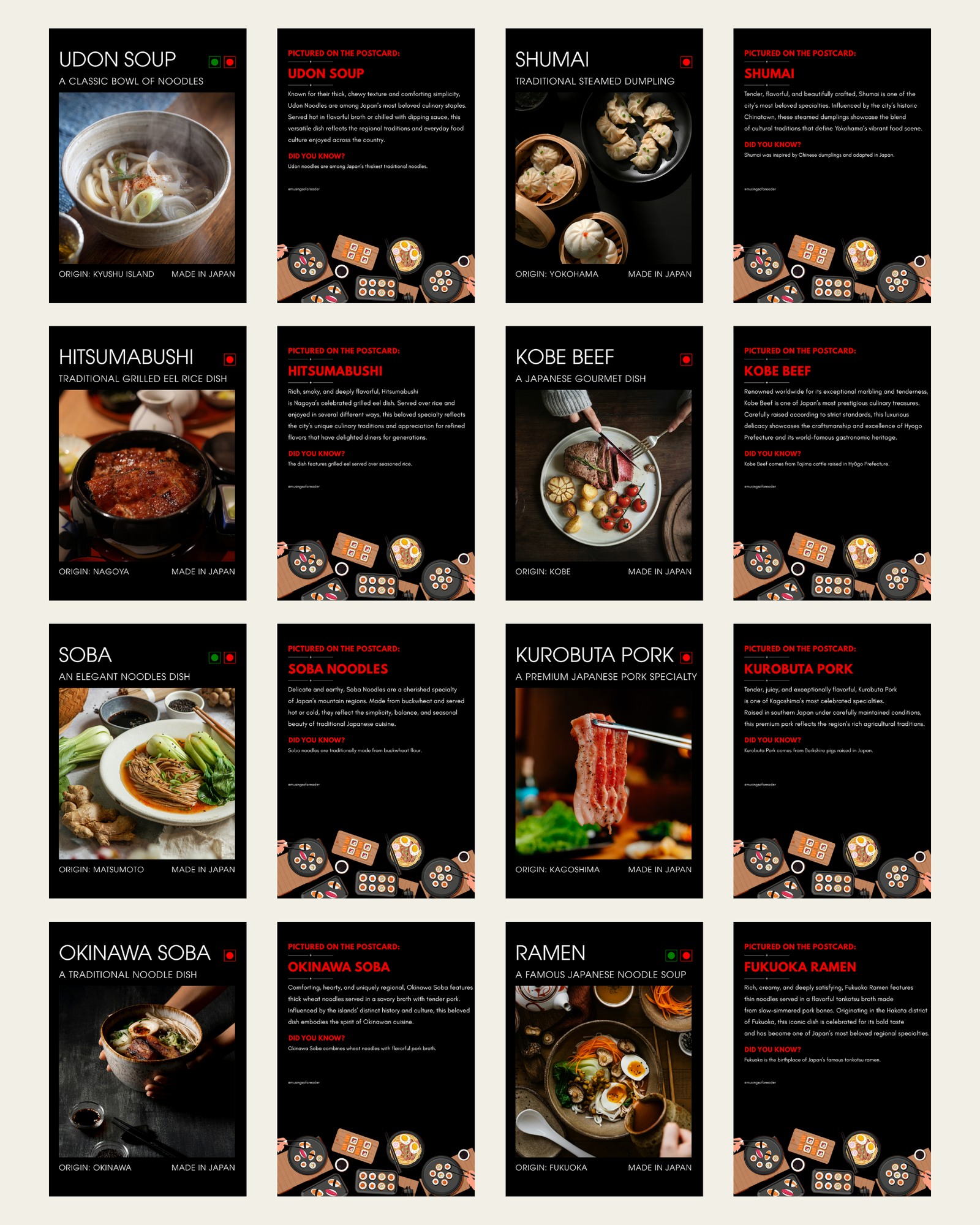
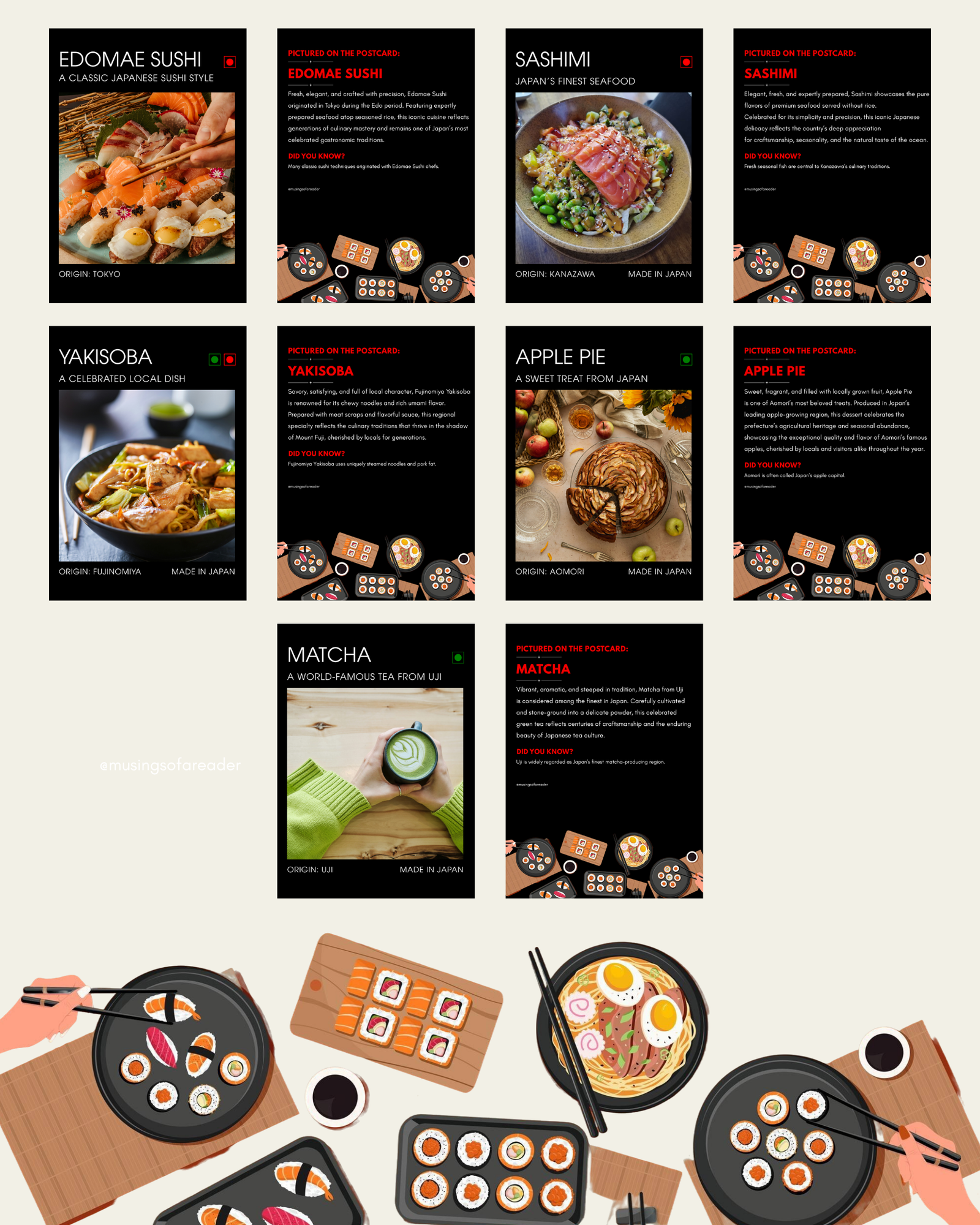
Celebrate the rich and diverse flavours of Japan with this beautifully illustrated set of 20 Culinary Traditions postcards, featuring iconic regional dishes, beloved street foods, traditional sweets, refreshing drinks, and culinary favourites from across the country.
Printed on premium 300 GSM paper, these vibrant postcards bring the colour, character, and delicious heritage of Japanese cuisine to your postcard collection, travel memories, living spaces, and every food lover’s home.
Some key highlights for this postcard set:
4 × 6 Inches (10.16 × 15.24 cm)
Premium 300 GSM Paper
High-Quality Fade-Proof Digital Printing
Glossy Finish
Printed with OEKO-TEX® Certified Inks
Exclusive Musings of a Reader Artwork
Perfect for Collecting, Gifting & Displaying
Ideal for Travellers & Collectors
🚚 Ships in 2 days 🇮🇳 Made in India. ☕️ 7-day return
Japan’s culinary traditions are as diverse as its landscapes, shaped by regional geography, seasonal ingredients, cultural heritage, and centuries of culinary craftsmanship. From sushi and ramen to comforting noodle dishes, regional specialities, street foods, sweets, and traditional beverages, Japanese cuisine tells countless stories through flavour. This 20-card postcard collection celebrates that extraordinary diversity, bringing together iconic dishes and lesser-known regional favourites from across the country.
From Hokkaido comes Miso Ramen, a warming noodle dish known for its rich broth and hearty toppings. The region is also celebrated for its fresh seafood, dairy products, and agricultural produce. Travelling south, Aomori’s apple-based specialities reflect the region’s famous orchards, while Sendai’s Gyutan, or grilled beef tongue, has become one of the city’s best-known culinary traditions. Central Japan offers an equally varied culinary landscape. Tokyo is renowned for its sushi, tempura, and soba, reflecting the city’s long relationship with fresh ingredients and refined preparation. Nagoya’s Miso Katsu combines breaded pork cutlets with a rich red miso sauce, while Hitsumabushi features grilled eel served with rice and different accompaniments.
Kyoto’s cuisine reflects its historical connection with temples, imperial traditions, and seasonal ingredients. Kaiseki showcases carefully prepared dishes, elegant presentation, and an emphasis on balance. Yudofu, or simmered tofu, is another traditional Kyoto speciality associated with Buddhist temple cuisine. Southern Japan contributes distinctive dishes shaped by its climate, coastal environment, and cultural exchanges. Osaka is famous for Takoyaki, small batter-based snacks filled with octopus, and Okonomiyaki, a savoury dish prepared with various ingredients. These foods reflect the city’s lively street-food culture.
Hiroshima-style Okonomiyaki is layered with ingredients such as cabbage, noodles, and toppings. Further south, Fukuoka is known for Tonkotsu Ramen, a noodle dish served in a rich pork-bone broth. Okinawa offers a different culinary tradition, including Goya Champuru, a stir-fried dish featuring bitter melon and tofu.
Street food forms an important part of Japan’s culinary identity. Takoyaki, Yakitori, Taiyaki, and Dango demonstrate how simple ingredients can be transformed into popular and memorable foods. Yakitori features grilled chicken prepared on skewers, while Taiyaki is a fish-shaped pastry traditionally filled with sweet red bean paste. Dango, made from rice flour, is enjoyed in different forms and is often associated with seasonal celebrations.
Rice and noodles form the foundation of many Japanese meals. Onigiri, or rice balls, are commonly filled with ingredients such as pickled plum, salmon, or seaweed. Soba and Udon represent two important noodle traditions, each offering distinctive textures and preparation styles. Curry Rice has also become a much-loved everyday dish in Japan. Often served with rice and various toppings, it reflects the way culinary influences have been adapted into local food culture.
Japanese cuisine also includes a rich tradition of sweets and beverages. Wagashi, traditional Japanese confectionery, often incorporates ingredients such as red bean paste, rice flour, and seasonal fruits. Mochi is another popular speciality enjoyed in different forms throughout the country. Matcha, powdered green tea, has a long cultural association with Japanese tea traditions. Sake, a fermented rice beverage, represents another important part of Japan’s culinary heritage and regional craftsmanship.
Together, these 20 postcards create a delicious journey across Japan — from Hokkaido and Tokyo to Kyoto, Osaka, Hiroshima, Fukuoka, and Okinawa. Each postcard captures more than a dish; it offers a glimpse into the people, places, traditions, and stories that make Japanese cuisine so distinctive. Whether collected as a souvenir, displayed as travel-inspired art, or gifted to a food lover, Japan – Culinary Traditions celebrates a culinary heritage shaped by seasonality, craftsmanship, regional identity, and cultural exchange. From delicate sushi and comforting ramen to street foods, traditional sweets, and regional specialities, these postcards invite you to discover the flavours that make Japan truly remarkable.
Readers Also Chose
-
Japan – National Parks & Wildlife Reserves (Set of 10)
₹1,020Price is inclusive of all taxes
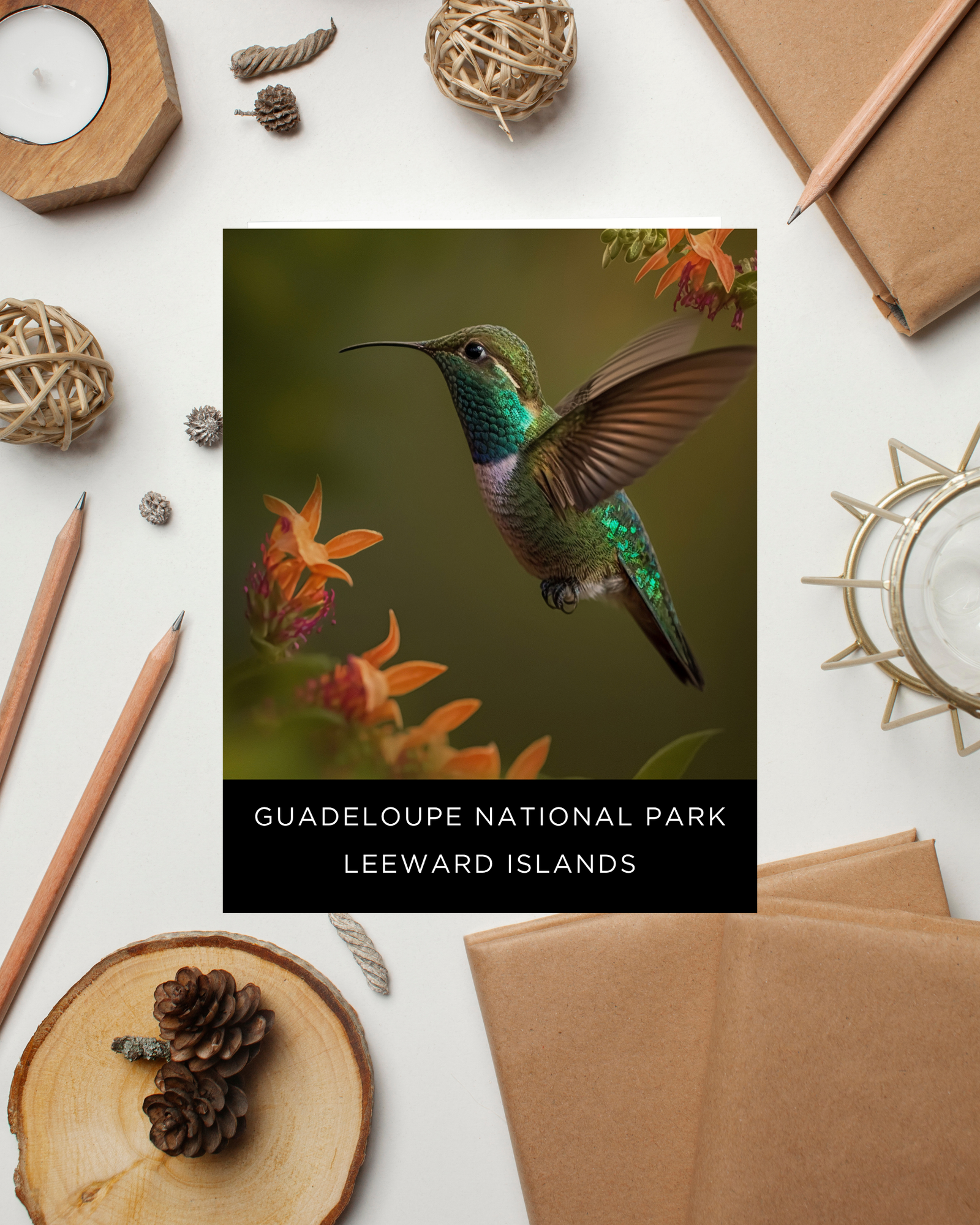
Celebrate Japan’s incredible wildlife and protected landscapes with this beautifully illustrated set of 10 National Parks & Wildlife Reserves postcards, featuring Japanese macaques, deer, bears, rare wildcats, cranes, sea turtles, and remarkable wildlife habitats from across the country.
Printed on premium 300 GSM paper, these vibrant postcards capture the beauty, character, and extraordinary diversity of Japan’s natural landscapes. They make a wonderful addition to your postcard collection, travel memories, living spaces, and every nature and wildlife lover’s home.
Some key highlights for this postcard set:
4 × 6 Inches (10.16 × 15.24 cm)
Premium 300 GSM Paper
High-Quality Fade-Proof Digital Printing
Glossy Finish
Printed with OEKO-TEX® Certified Inks
Exclusive Musings of a Reader Artwork
Perfect for Collecting, Gifting & Displaying
Ideal for Travellers & Collectors🚚 Ships in 2 days 🇮🇳 Made in India. ☕️ 7-day return
-
France – National Parks & Wildlife Reserves (Set of 11)
₹990Price is inclusive of all taxes
Celebrate France’s incredible wildlife and protected landscapes with this beautifully illustrated set of eleven National Parks & Wildlife Reserves postcards, featuring Alpine ibex, chamois, marmots, griffon vultures, red deer, wildcats, dolphins, and remarkable wildlife habitats from across the country.
Printed on premium 300 GSM paper, these vibrant postcards capture the beauty, character, and extraordinary diversity of France’s natural landscapes. They make a wonderful addition to your postcard collection, travel memories, living spaces, and every nature and wildlife lover’s home.
Some key highlights for this postcard set:
4 × 6 Inches (10.16 × 15.24 cm)
Premium 300 GSM Paper
High-Quality Fade-Proof Digital Printing
Glossy Finish
Printed with OEKO-TEX® Certified Inks
Exclusive Musings of a Reader Artwork
Perfect for Collecting, Gifting & Displaying
Ideal for Travellers & Collectors🚚 Ships in 2 days 🇮🇳 Made in India. ☕️ 7-day return
-
Japan – Natural Wonders (Set of 15)
₹1,050Price is inclusive of all taxes
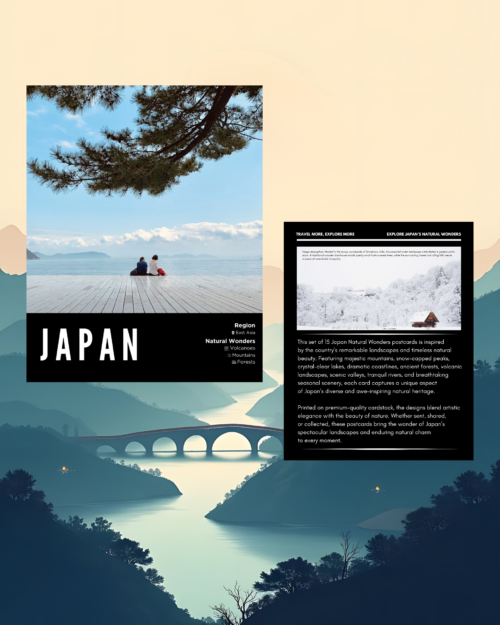
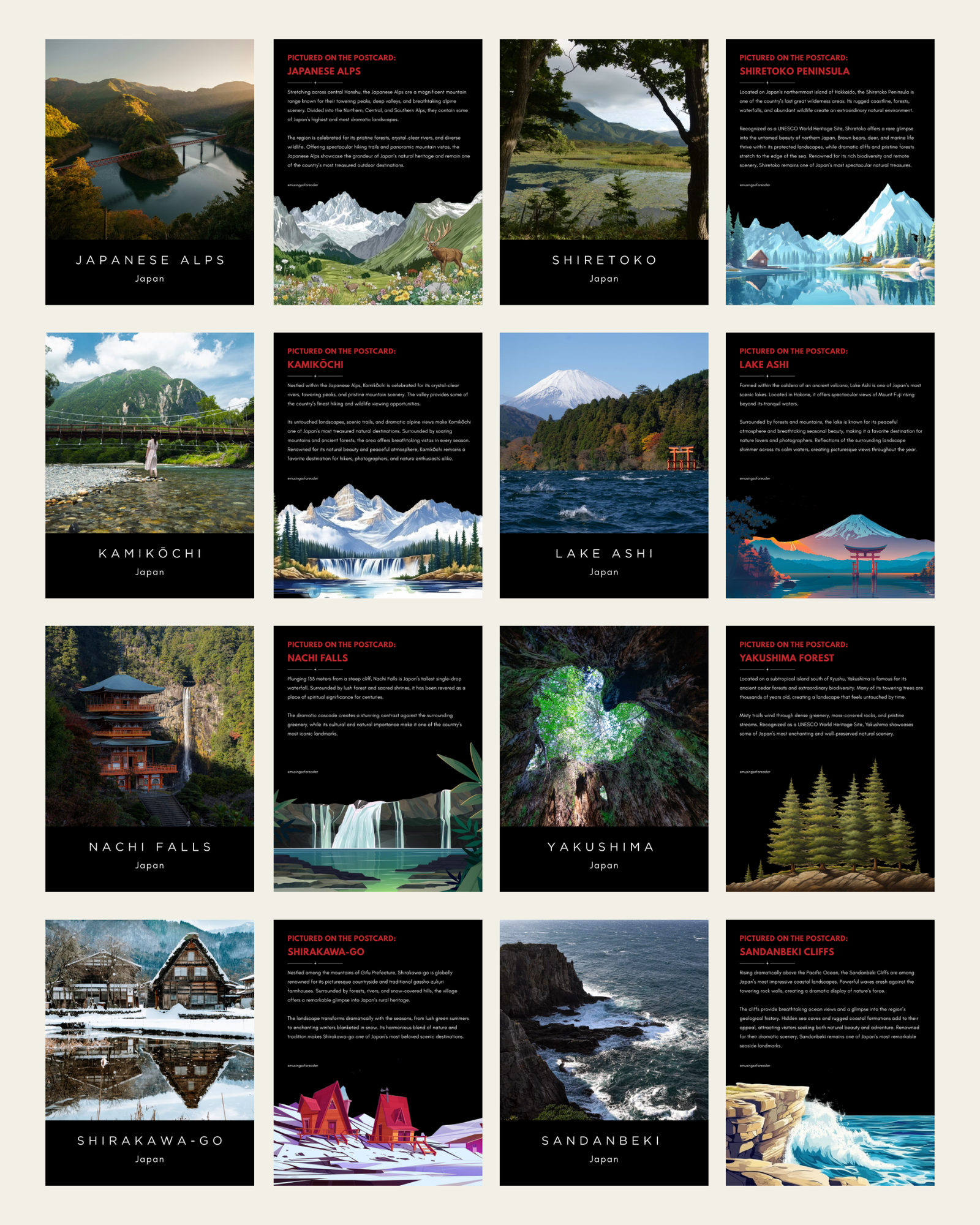
Celebrate Japan’s breathtaking natural beauty with this beautifully illustrated set of 15 Natural Wonders postcards, featuring majestic mountains, volcanic landscapes, ancient forests, dramatic waterfalls, serene lakes, lush valleys, tropical islands, and extraordinary scenery from across the country.
Printed on premium 300 GSM paper, these vibrant postcards capture the beauty, character, and remarkable diversity of Japan’s natural world, making them a wonderful addition to your postcard collection, travel memories, living spaces, and every nature and travel lover’s home.
Some key highlights for this postcard set:
4 × 6 Inches (10.16 × 15.24 cm)
Premium 300 GSM Paper
High-Quality Fade-Proof Digital Printing
Glossy Finish
Printed with OEKO-TEX® Certified Inks
Exclusive Musings of a Reader Artwork
Perfect for Collecting, Gifting & Displaying
Ideal for Travellers & Collectors🚚 Ships in 2 days 🇮🇳 Made in India. ☕️ 7-day return
-
France – Culinary Traditions (Set of 20)
₹1,090Price is inclusive of all taxes
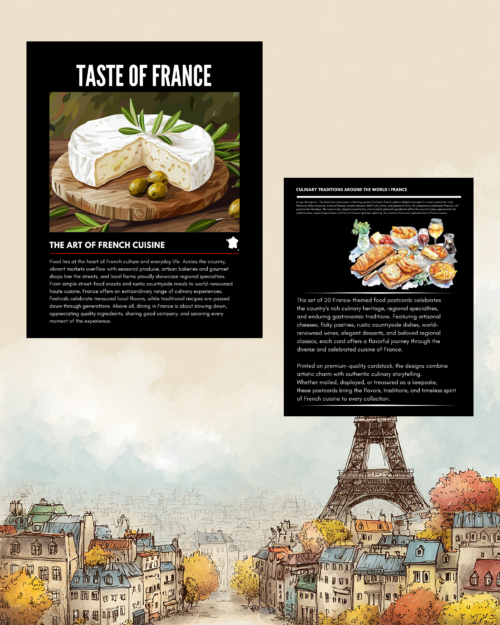
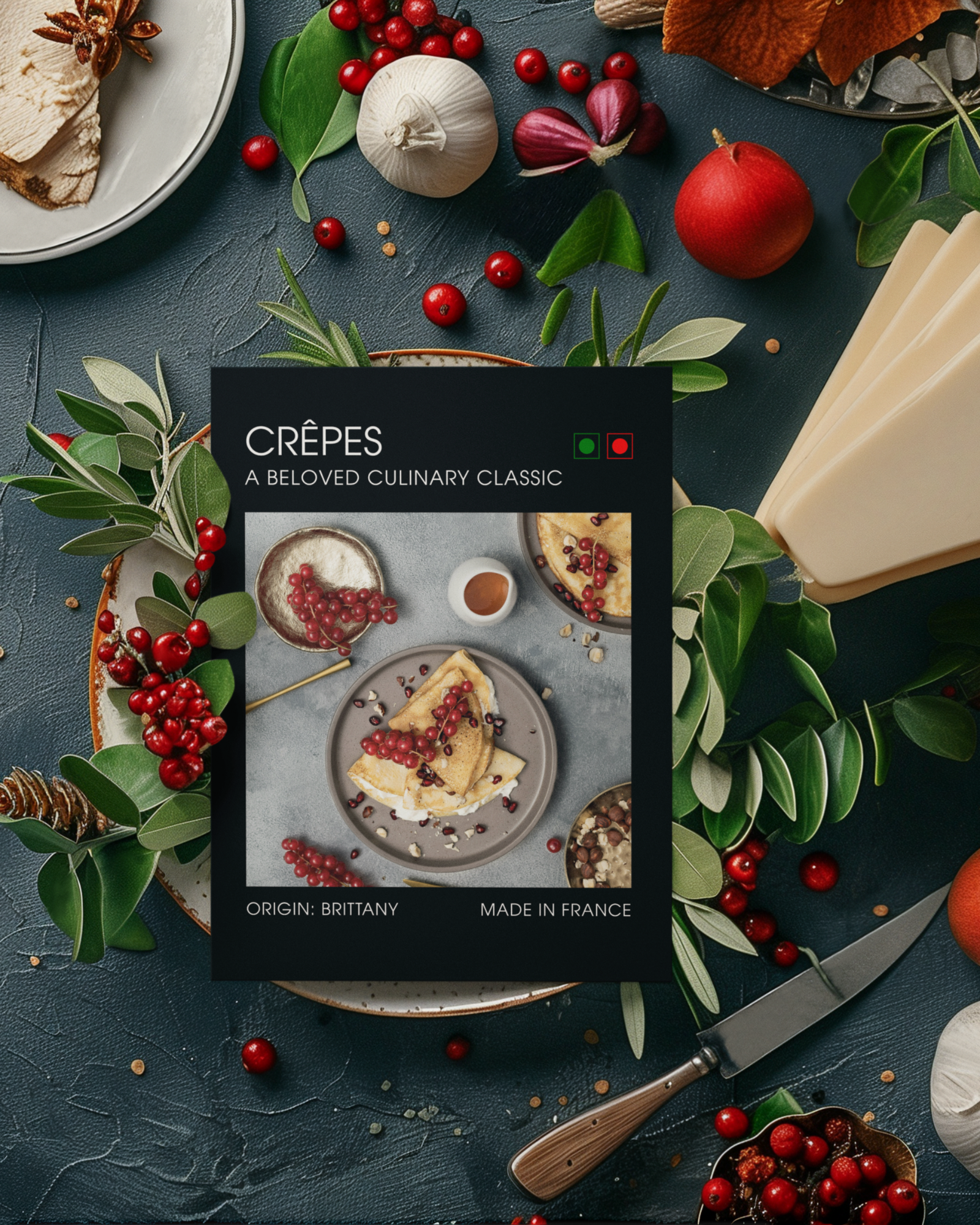
Celebrate the rich and diverse flavors of France with this beautifully illustrated set of 20 Culinary Traditions postcards, featuring iconic regional dishes, beloved street foods, artisan cheeses, traditional pastries, desserts, breads, and culinary favorites from across the country.
Printed on premium 300 GSM paper, these vibrant postcards bring the color, character, and delicious heritage of French cuisine to your postcard collection, travel memories, living spaces, and every food lover’s home.
Some key highlights for this postcard set:
4 × 6 Inches (10.16 × 15.24 cm)
Premium 300 GSM Paper
High-Quality Fade-Proof Digital Printing
Glossy Finish
Printed with OEKO-TEX® Certified Inks
Exclusive Musings of a Reader Artwork
Perfect for Collecting, Gifting & Displaying
Ideal for Food Lovers, Travellers & Collectors🚚 Ships in 2 days 🇮🇳 Made in India. ☕️ 7-day return
-
India – Landmarks & Monuments (Set of 20)
₹1,020Price is inclusive of all taxes
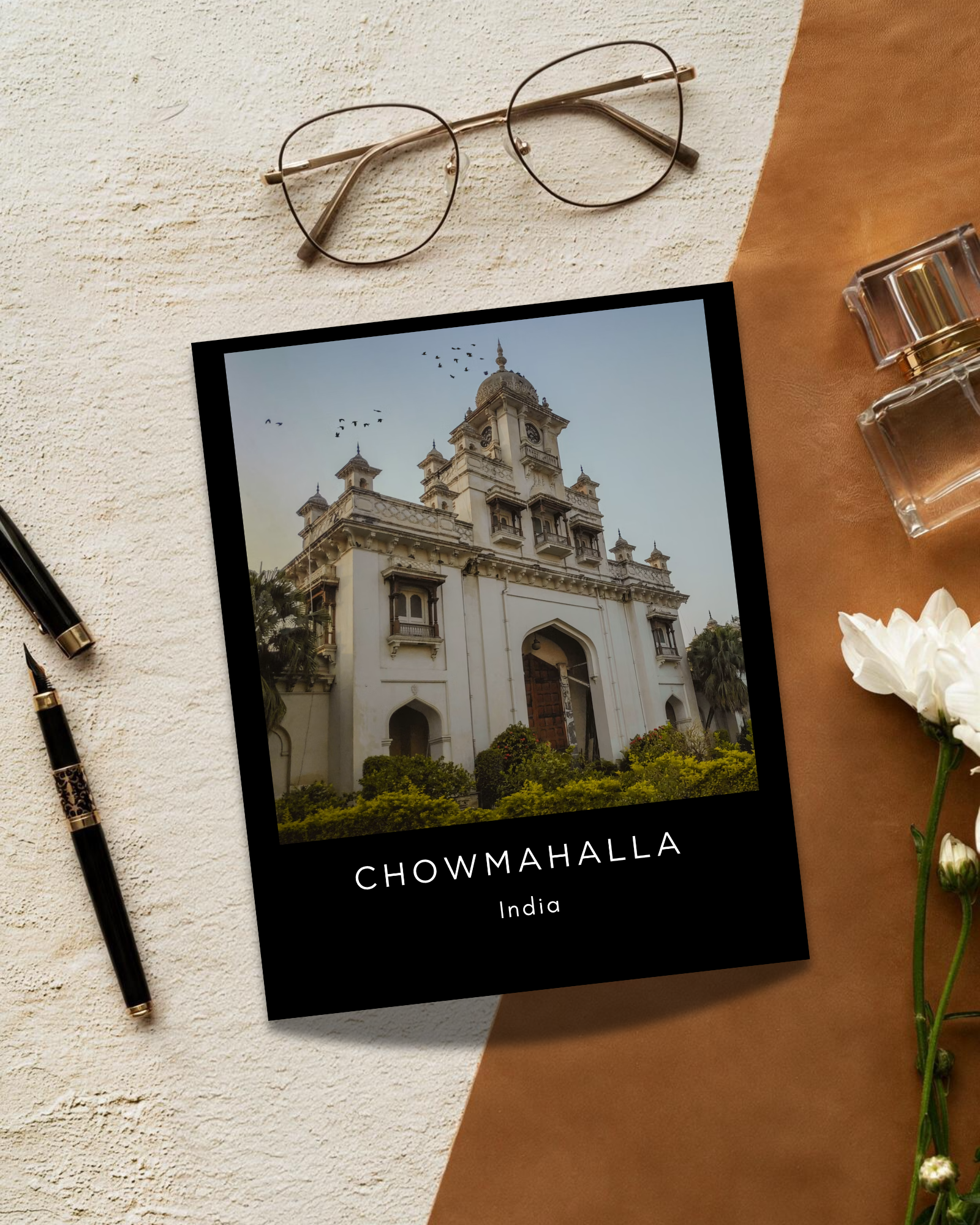
Explore India’s iconic landmarks and historic monuments with this beautifully illustrated set of 20 Landmarks & Monuments postcards, featuring magnificent architecture, cultural treasures, heritage sites, and unforgettable places from across the country.
Printed on premium 300 GSM paper, these vibrant postcards capture the beauty, character, and rich heritage of India, making them a wonderful addition to your postcard collection, travel memories, living spaces, and every history and travel lover’s home.
Some key highlights for this postcard set:
4 × 6 Inches (10.16 × 15.24 cm)
Premium 300 GSM Paper
High-Quality Fade-Proof Digital Printing
Glossy Finish
Printed with OEKO-TEX® Certified Inks
Exclusive Musings of a Reader Artwork
Perfect for Collecting, Gifting & Displaying
Ideal for Travellers & Collectors🚚 Ships in 2 days 🇮🇳 Made in India. ☕️ 7-day return
-
France – Natural Wonders (Set of 15)
₹990Price is inclusive of all taxes
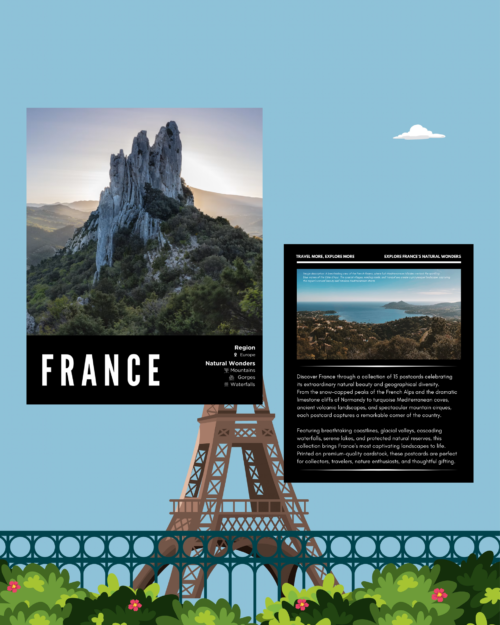
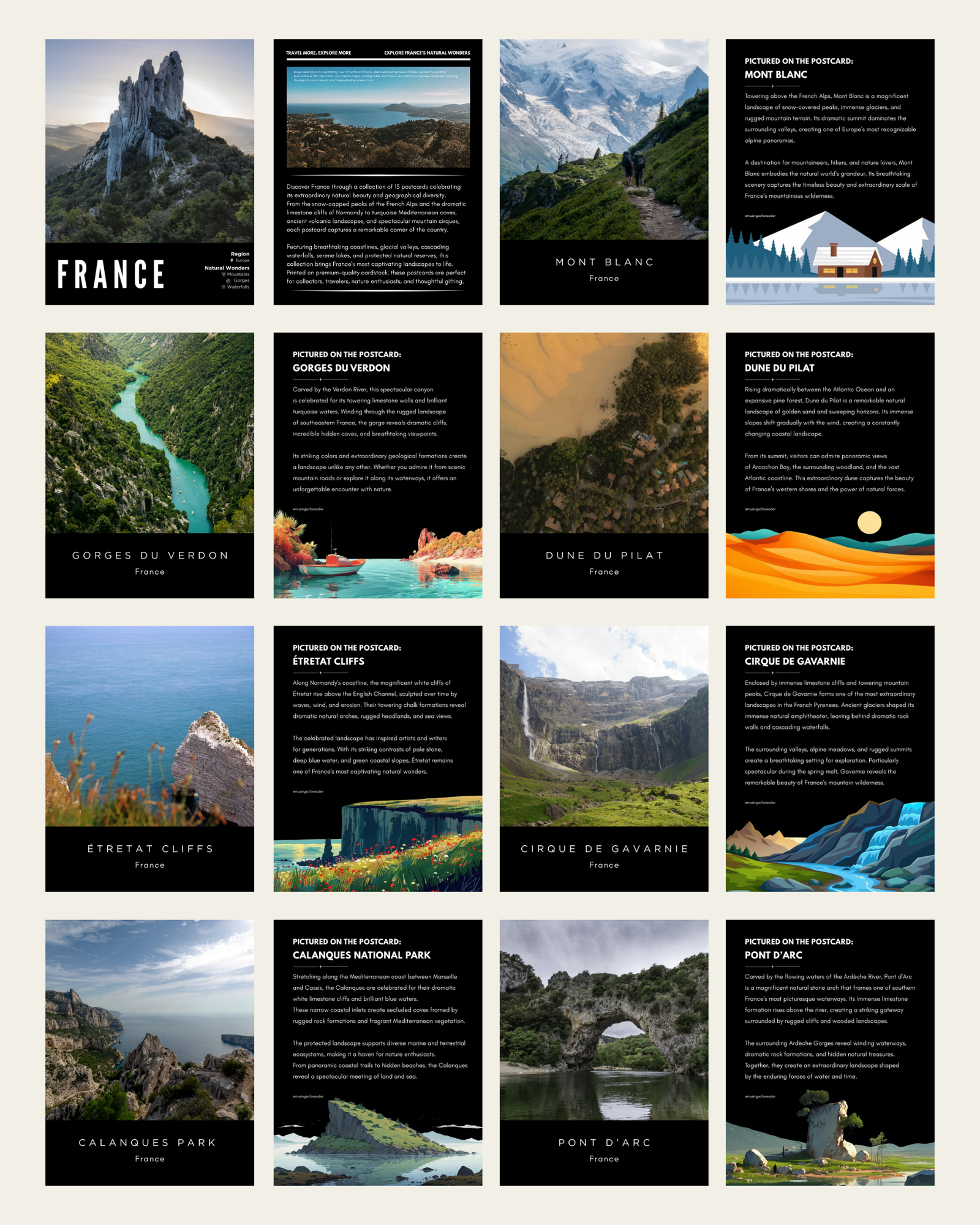
Celebrate France’s breathtaking natural beauty with this beautifully illustrated set of 15 Natural Wonders postcards, featuring majestic mountains, volcanic landscapes, ancient forests, dramatic waterfalls, serene lakes, deep gorges, coastal cliffs, tropical landscapes, and extraordinary scenery from across the country.
Printed on premium 300 GSM paper, these vibrant postcards capture the beauty, character, and remarkable diversity of France’s natural world, making them a wonderful addition to your postcard collection, travel memories, living spaces, and every nature and travel lover’s home.
Some key highlights for this postcard set:
4 × 6 Inches (10.16 × 15.24 cm)
Premium 300 GSM Paper
High-Quality Fade-Proof Digital Printing
Glossy Finish
Printed with OEKO-TEX® Certified Inks
Exclusive Musings of a Reader Artwork
Perfect for Collecting, Gifting & Displaying
Ideal for Travelers & Collectors🚚 Ships in 2 days 🇮🇳 Made in India. ☕️ 7-day return
-
France – Landmarks & Monuments (Set of 20)
₹1,020Price is inclusive of all taxes
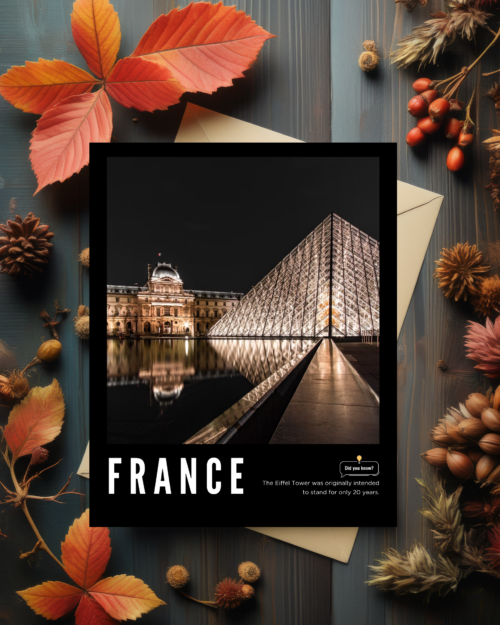
Explore France’s iconic landmarks and historic monuments with this beautifully illustrated set of 20 Landmarks & Monuments postcards, featuring magnificent architecture, cultural treasures, heritage sites, and unforgettable places from across the country.
Printed on premium 300 GSM paper, these vibrant postcards capture the beauty, character, and rich heritage of France, making them a wonderful addition to your postcard collection, travel memories, living spaces, and every history and travel lover’s home.
Some key highlights for this postcard set:
4 × 6 Inches (10.16 × 15.24 cm)
Premium 300 GSM Paper
High-Quality Fade-Proof Digital Printing
Glossy Finish
Printed with OEKO-TEX® Certified Inks
Exclusive Musings of a Reader Artwork
Perfect for Collecting, Gifting & Displaying
Ideal for Travellers & Collectors🚚 Ships in 2 days 🇮🇳 Made in India. ☕️ 7-day return
-
India – Natural Wonders (Set of 15)
₹995Price is inclusive of all taxes
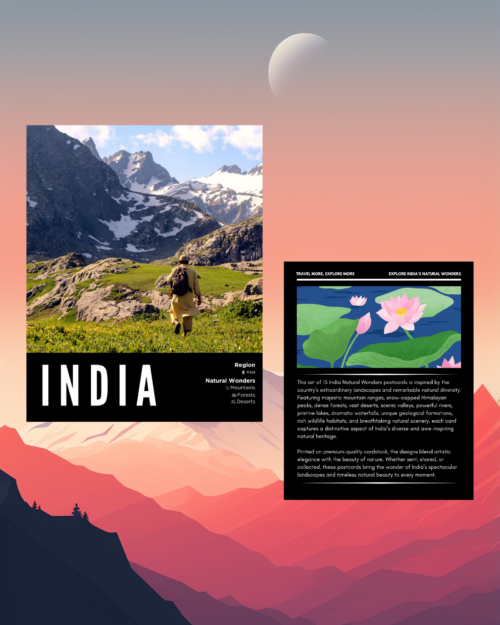
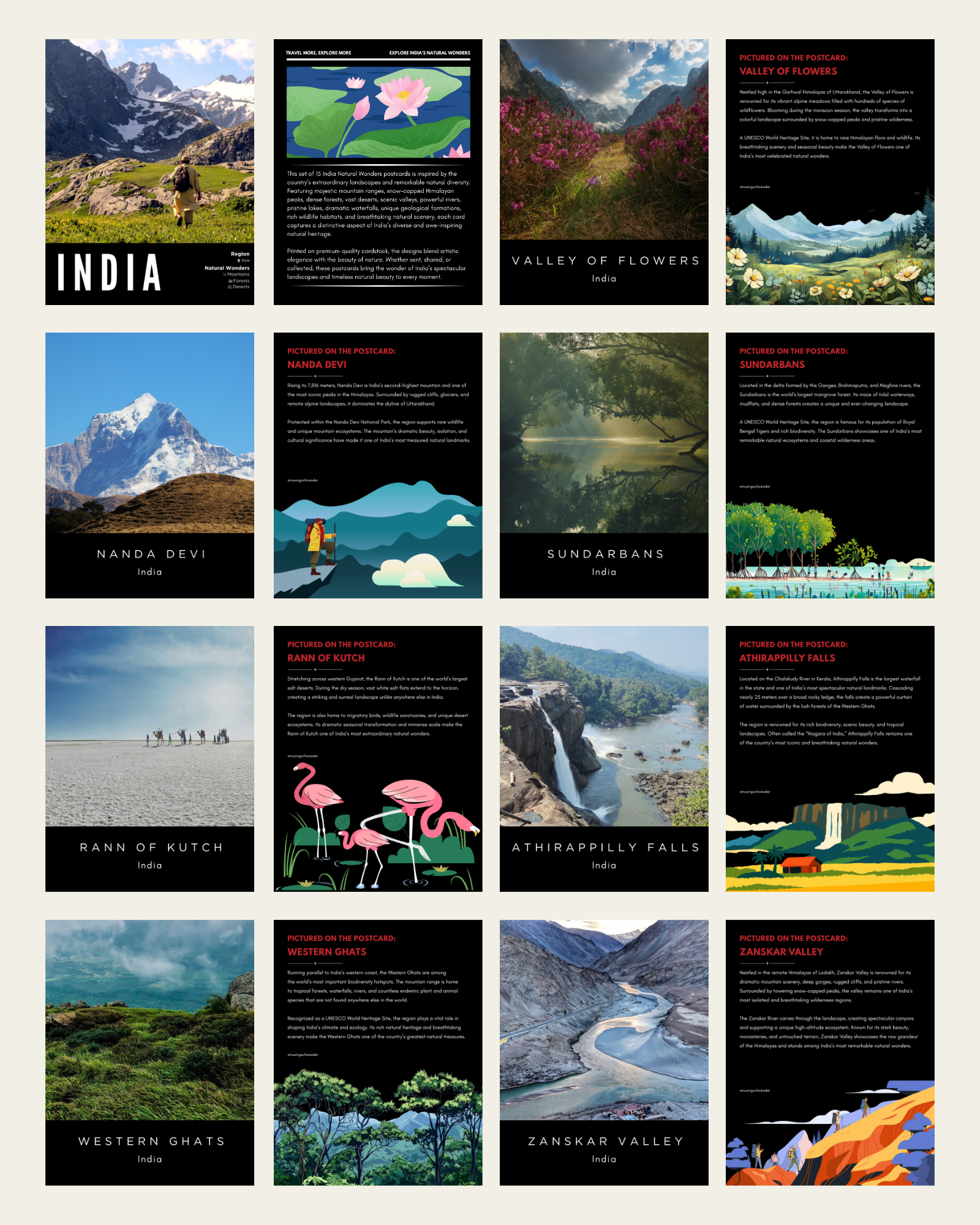
Celebrate India’s breathtaking natural beauty with this beautifully illustrated set of 15 Natural Wonders postcards, featuring majestic mountains, lush valleys, dramatic waterfalls, vast deserts, serene lakes, tropical islands, and extraordinary landscapes from across the country.
Printed on premium 300 GSM paper, these vibrant postcards capture the beauty, character, and remarkable diversity of India’s natural world, making them a wonderful addition to your postcard collection, travel memories, living spaces, and every nature and travel lover’s home.
Some key highlights for this postcard set:
4 × 6 Inches (10.16 × 15.24 cm)
Premium 300 GSM Paper
High-Quality Fade-Proof Digital Printing
Glossy Finish
Printed with OEKO-TEX® Certified Inks
Exclusive Musings of a Reader Artwork
Perfect for Collecting, Gifting & Displaying
Ideal for Travellers & Collectors🚚 Ships in 2 days 🇮🇳 Made in India. ☕️ 7-day return
-
Japan – Landmarks & Monuments (Set of 20)
₹1,020Price is inclusive of all taxes
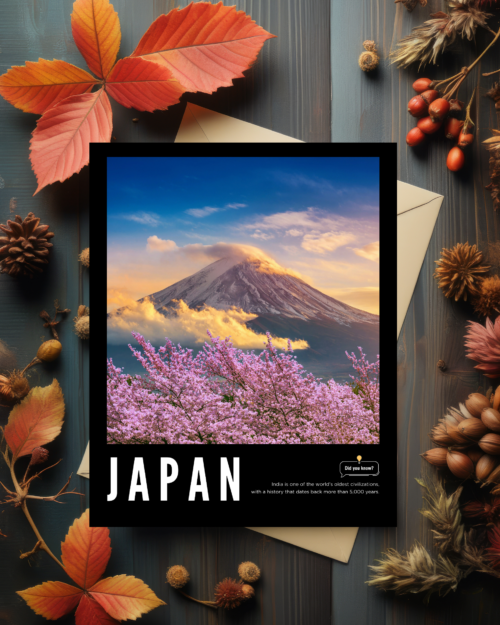
Explore Japan’s iconic landmarks and historic monuments with this beautifully illustrated set of 20 Landmarks & Monuments postcards, featuring magnificent architecture, cultural treasures, heritage sites, and unforgettable places from across the country.
Printed on premium 300 GSM paper, these vibrant postcards capture the beauty, character, and rich heritage of Japan, making them a wonderful addition to your postcard collection, travel memories, living spaces, and every history and travel lover’s home.
Some key highlights for this postcard set:
4 × 6 Inches (10.16 × 15.24 cm)
Premium 300 GSM Paper
High-Quality Fade-Proof Digital Printing
Glossy Finish
Printed with OEKO-TEX® Certified Inks
Exclusive Musings of a Reader Artwork
Perfect for Collecting, Gifting & Displaying
Ideal for Food Lovers, Travellers & Collectors🚚 Ships in 2 days 🇮🇳 Made in India. ☕️ 7-day return
-
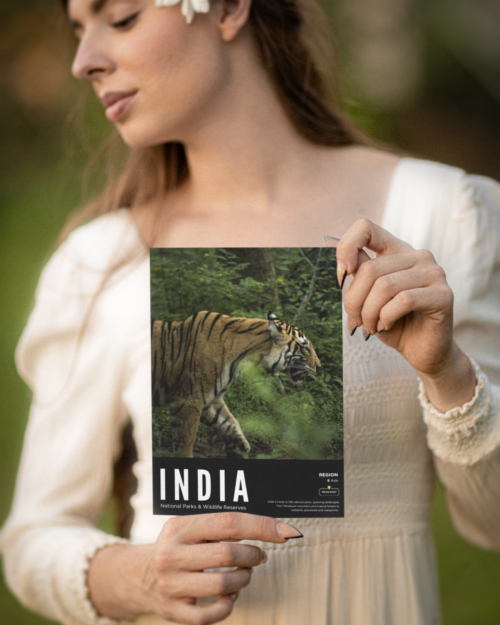
India – National Parks & Wildlife Reserves (Set of 12)
₹990Price is inclusive of all taxes
Celebrate India’s incredible wildlife and protected landscapes with this beautifully illustrated set of 12 National Parks & Wildlife Reserves postcards, featuring majestic tigers, elephants, rhinoceroses, leopards, birds, and remarkable wildlife habitats from across the country.
Printed on premium 300 GSM paper, these vibrant postcards capture the beauty, character, and extraordinary diversity of India’s wild landscapes, making them a wonderful addition to your postcard collection, travel memories, living spaces, and every nature and wildlife lover’s home.
Some key highlights for this postcard set:
4 × 6 Inches (10.16 × 15.24 cm)
Premium 300 GSM Paper
High-Quality Fade-Proof Digital Printing
Glossy Finish
Printed with OEKO-TEX® Certified Inks
Exclusive Musings of a Reader Artwork
Perfect for Collecting, Gifting & Displaying
Ideal for Travellers & Collectors🚚 Ships in 2 days 🇮🇳 Made in India. ☕️ 7-day return














Reviews
There are no reviews yet.